
Mastering Swing Trading in Forex: Strategies and Tips for Success
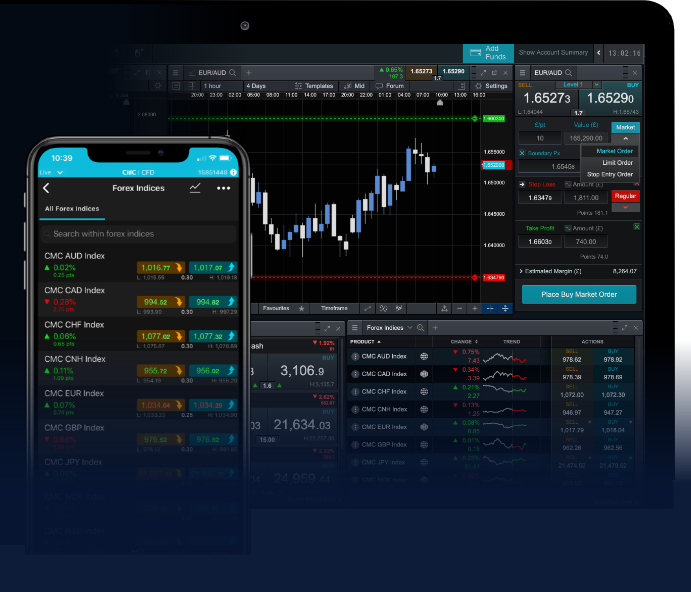
Swing trading in the Forex market offers traders the opportunity to capitalize on short to medium-term price movements. This trading style is particularly effective for individuals who cannot dedicate all their time to monitoring the markets. In this article, we will delve into swing trading strategies, risk management techniques, and essential tools. Additionally, you can explore platforms such as swing trading forex LATAM Trading Platform to facilitate your trading journey.
Understanding Swing Trading
Swing trading is a style of trading that aims to generate profits over a period of days to weeks. Unlike day trading, where positions are closed at the end of each trading day, swing traders hold positions longer, taking advantage of expected price movements caused by market trends and fluctuations.
The primary goal of swing trading is to capture a portion of expected price moves. Thus, swing traders must identify trading opportunities by analyzing price charts and using technical indicators that help them make informed decisions. This approach allows traders to benefit from the volatility of the Forex market without the need for constant monitoring.
Key Characteristics of Swing Trading
1. Timeframe: Swing traders typically operate on a 4-hour, daily, or weekly chart. This allows for greater flexibility than day trading but requires enough patience to withstand market fluctuations.
2. Risk Management: Effective risk management is crucial. Swing traders often utilize stop-loss orders to limit potential losses and protect their capital.
3. Technical Analysis: Swing trading heavily relies on technical analysis techniques, such as trendlines, support and resistance levels, and chart patterns.
4. Market Conditions: Understanding the current market conditions is vital. Swing traders must be aware of whether the market is trending or ranging, as this impacts their trading strategy.
Strategies for Swing Trading in Forex
Successful swing trading involves employing various strategies that fit your trading style and risk tolerance. Here are some popular swing trading strategies:
1. Trend Following
One of the most common strategies used by swing traders is trend following. This approach involves identifying the direction of the market trend and placing trades in the same direction. Traders can use technical indicators like Moving Averages, RSI (Relative Strength Index), and MACD (Moving Average Convergence Divergence) to confirm the trend direction.
2. Breakout Trading
Breakout trading focuses on entering positions when the price breaks above significant resistance or below major support levels. Swing traders look for high volume accompanying the breakout, confirming that momentum is strong enough to continue in the breakout direction.
3. Reversal Trading
This strategy involves identifying potential reversals in the market. Swing traders look for signs that a price trend may be exhausting and prepare to enter a trade in the opposite direction. This can be based on price action, candlestick patterns, or clear divergences in indicators.
4. Pullback Trading

Many swing traders wait for price pullbacks within a prevailing trend. After identifying the trend, they enter trades when the price retraces to key support or resistance levels, aiming to enter at a favorable price before the trend continues.
Effective Risk Management
Risk management is crucial in swing trading. Here are some essential tips to manage risk effectively:
1. Set Stop-Loss Orders: Always set a stop-loss order to limit potential losses. Determine your risk tolerance before entering a trade and stick to it.
2. Use Position Sizing: Calculate your position size based on your account balance and risk per trade. This ensures you do not over-leverage your account.
3. Diversify: Avoid putting all your capital into a single trade. Diversify across different currency pairs to spread risk.
4. Review Your Trades: Analyze your trades regularly. Understanding what works and what doesn’t allows you to improve your trading strategy over time.
Tools and Resources for Swing Traders
To be successful in swing trading, traders often rely on various tools and resources. Here are some essential tools:
1. Charting Software
Good charting software provides the features needed to analyze the markets effectively. Look for platforms that provide advanced charting tools, indicators, and drawing features.
2. Economic Calendars
Stay aware of major economic events that can influence the Forex market. An economic calendar will help you keep track of upcoming releases and potential market-moving news.
3. Trading Journals
Keep a trading journal to document your trades, strategies, and emotions. This practice allows you to learn from your victories and mistakes.
4. Community and Education
Engage with online trading communities and take educational courses. This will provide insights, strategies, and support from fellow traders.
Conclusion
Swing trading in Forex can be a rewarding approach for those willing to invest time in learning and practicing their strategies. By developing a solid understanding of market mechanics, employing effective strategies, and managing risk carefully, traders can enhance their chances of success. Remember that consistency and discipline are key in the trading journey.
As you embark on your swing trading journey, consider utilizing platforms such as LATAM Trading Platform, which can provide the necessary tools and support to follow your trading ambitions.