
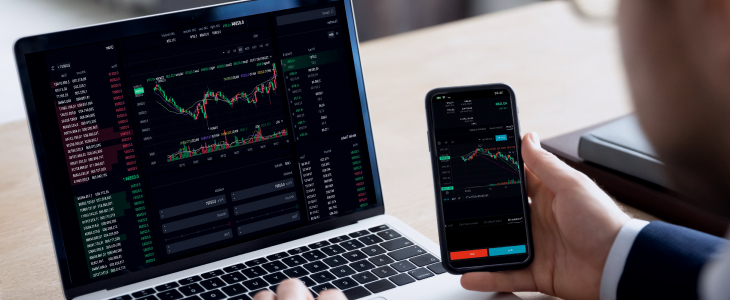
In the world of Forex trading, the importance of psychological factors cannot be overstated. Achieving success in the Forex market often requires more than just a solid understanding of trading strategies; it demands an acute awareness of one’s emotions and mental state. This article delves into the psychology of Forex trading, discussing how emotional control, discipline, and risk management can significantly impact your trading outcomes. Additionally, if you’re interested in enhancing your trading experience, check out the forex trading psychology Top MT4 Trading Apps for efficient trading solutions.
Understanding Forex Trading Psychology
Forex trading psychology encompasses the emotions and mental state that influence traders’ decisions. These psychological elements can often lead to irrational decision-making and unpredictable trading behaviors. Key emotions like fear, greed, hope, and regret play pivotal roles in how traders approach market opportunities and risks.
The Importance of Emotional Control
One of the primary challenges for Forex traders is managing emotional responses to market fluctuations. Emotional trading often leads to mistakes such as overtrading, holding onto losing positions too long, or exiting profitable trades too soon. This section will explore various strategies to develop emotional control:
- Developing a Trading Plan: A comprehensive trading plan is essential in guiding decision-making and reducing emotional influences. The plan should outline entry and exit points, risk management protocols, and personal trading goals.
- Practicing Mindfulness: Mindfulness techniques can help traders stay present and focused, reducing anxiety and fear associated with trading. Regular meditation or deep-breathing exercises can help achieve a calm state when trading.
- Setting Realistic Expectations: Unrealistic expectations can lead to disappointment and poor decision-making. By setting achievable goals and understanding the risks involved, traders can maintain a healthier mindset.
Discipline and Trading Consistency
Discipline is a cornerstone of successful trading. The ability to stick to a pre-planned strategy, even in the face of market volatility, separates successful traders from those who struggle. Here are common practices that can enhance trading discipline:
- Regularly Reviewing Trades: After each trading session, take the time to review your decisions. Analyzing what worked, what didn’t, and why will help you learn and grow as a trader.
- Using Stop-Loss Orders: To mitigate losses, traders should utilize stop-loss orders. This practice not only preserves capital but also helps maintain discipline by preventing emotional decisions during trading.
- Limit Distractions: Create a focused trading environment where distractions are minimized. Turn off irrelevant notifications and set specific trading hours to develop a routine.

The Influence of Greed and Fear
Greed and fear are two fundamental emotions that can distort a trader’s judgment. Understanding these emotions can assist in making more rational decisions:
Fear
Fear can stem from the risk of losing capital or missing out on profitable opportunities. This emotion often results in excessive caution or premature exit from trades. Strategies to combat fear include:
- Accepting Losses: Recognizing that losses are a part of trading allows traders to detach emotionally from individual trades.
- Visualizing Success: A positive mental attitude can combat fear. Visualizing profitable outcomes can build confidence and reduce anxiety.
Greed
Greed, characterized by the desire for more profit, can lead to overleveraging and taking excessive risks. Some strategies to manage greed include:
- Establishing Profit Targets: Setting clear profit targets can prevent traders from holding positions too long in hopes of bigger gains. Once the target is reached, it is vital to stick to the plan and take profits.
- Implementing a Risk-Reward Ratio: Determine a reasonable risk-reward ratio for each trade. This will help define expectations and mitigate impulsive decisions driven by greed.
Developing a Growth Mindset
Embracing a growth mindset is crucial for long-term success in Forex trading. This mindset encourages learning from mistakes and viewing challenges as opportunities for growth. Here’s how to develop a growth mindset:
- Embrace Challenges: Instead of shying away from difficult trades or strategies, view them as valuable lessons. This attitude can enhance learning and resilience.
- Seek Feedback: Whether it’s from trading communities or mentors, feedback can provide new perspectives on your trading habits and help identify areas for improvement.
- Stay Updated: The Forex market is ever-evolving. Staying informed about market trends and economic factors can enhance your confidence and decision-making abilities.
The Role of Support Systems
Building a support system of fellow traders can significantly impact your trading experience. Engaging with a trading community allows for sharing insights, discussing strategies, and providing encouragement during challenging times. Here are some ways to leverage a support system:
- Join Online Forums and Groups: Participate in online trading communities where you can share experiences, ask questions, and learn from others.
- Find a Trading Buddy: A trading partner can help keep you accountable and provide a sounding board for your ideas and strategies.
Conclusion
The psychology of Forex trading plays a crucial role in determining a trader’s success. By understanding and managing emotions such as fear and greed, developing discipline, and adopting a growth mindset, traders can significantly enhance their performance. Integrating these psychological strategies alongside a solid trading plan can mean the difference between consistent success and repeated failure in the Forex marketplace. Remember, trading is not just about the numbers; it’s about mastering your mind.