

How to Start Forex Trading: A Step-by-Step Guide
Forex trading is an exciting and potentially lucrative venture for anyone interested in financial markets. However, for beginners, the terrain can be complicated and intimidating. This guide simplifies the process, breaking down the essential steps needed to embark on your forex trading journey. Whether you’re looking to earn extra income or build a full-time career in trading, understanding the basics is key. Before diving in, it’s crucial to familiarize yourself with the ecosystem of forex trading and the role of how to start forex trading Forex Brokers in Argentina in facilitating your trades.
1. Understanding Forex Trading
Forex, or foreign exchange, is the largest financial market in the world. It involves trading currencies in pairs, where you buy one currency while simultaneously selling another. For instance, if you believe that the Euro will strengthen against the US Dollar, you would buy the EUR/USD pair. Understanding how this market operates and the factors that influence currency values is vital.
2. Setting Your Goals
Before jumping into forex trading, it’s essential to define your goals. Are you looking for a short-term income boost, or do you plan to trade long-term? Setting clear objectives will guide your trading strategy, risk tolerance, and the amount of capital you are willing to invest.
3. Choosing the Right Forex Broker

One of the most crucial steps in starting forex trading is choosing a reliable forex broker. A good broker provides the necessary tools for trading, including a trading platform, customer support, educational resources, and competitive spreads. When selecting a broker, look for several key factors: regulation, trading fees, user-friendly platform, available currency pairs, and deposit/withdrawal options.
4. Understanding Market Analysis
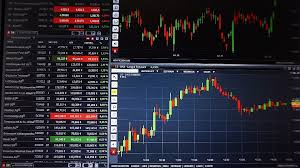
There are two primary methods of market analysis in forex trading: fundamental analysis and technical analysis. Fundamental analysis involves examining economic indicators (like GDP, unemployment rates, inflation) that can affect currency value. Technical analysis, on the other hand, uses charts and indicators to identify trading opportunities based on past price movements. Beginners often find that combining both methods yields the best results.
5. Developing a Trading Strategy
A well-defined trading strategy is essential for success in forex trading. Your strategy should include your trading goals, risk tolerance, and specific criteria for entering and exiting trades. Strategies can be based on technical indicators, patterns, or news events. As a beginner, it’s advisable to start with a simple strategy and gradually modify it as you gain more experience and confidence.
6. Opening a Demo Account
Before risking real capital, it’s wise to open a demo account with your chosen forex broker. Demo accounts allow you to trade in a simulated environment using virtual money. This is an excellent way to practice your trading strategies, familiarize yourself with the trading platform, and understand market dynamics without financial risk.
7. Risk Management
Effective risk management is crucial in forex trading. It involves determining the amount of capital you’re willing to risk on a single trade and assessing the potential loss you can tolerate. Many traders use a rule of thumb known as “the 1% rule,” which suggests that you should never risk more than 1% of your trading capital on a single trade. This approach helps protect your capital and ensures that a series of losses won’t wipe out your trading account.
8. Starting Live Trading
Once you feel confident with your knowledge and practice gained from a demo account, it’s time to transition to live trading. Start with a small investment to minimize risk as you adjust to the emotional aspects of trading real money. Monitor your trades closely, and remember that discipline is key; stick to your trading plan and avoid impulsive decisions based on emotions.
9. Continuous Learning and Improvement
The forex market is ever-changing, and successful traders commit to continuous learning. Stay informed about global economic events, market news, and advancements in trading strategies. Engaging with educational content, attending webinars, and participating in trading communities can enhance your skills and knowledge in forex trading.
10. Conclusion
Starting a career in forex trading can be a rewarding yet challenging endeavor. By following this step-by-step guide, you lay the foundation for a successful trading journey. Remember that patience, discipline, and continuous learning are vital components of long-term success in this dynamic market. As you develop your trading skills, always keep an eye on your goals and adjust your strategies as needed. Happy trading!